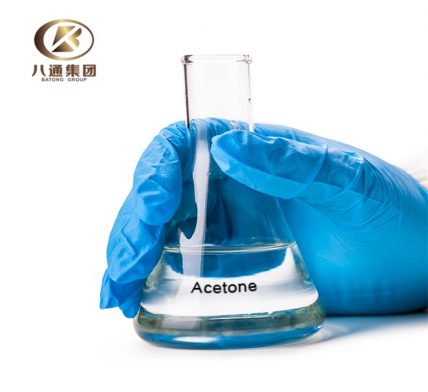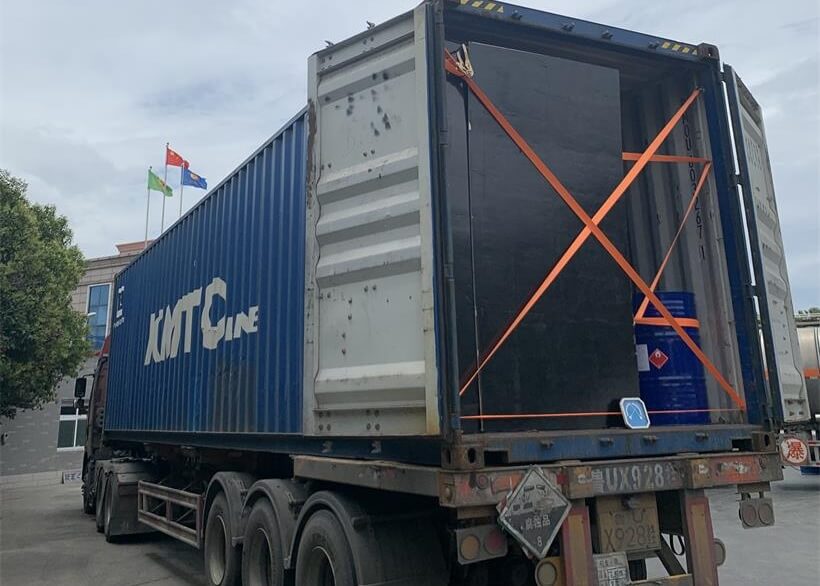

Acetone (CAS: 67-64-1) is a core basic chemical in the phenolic ketone industrial chain. Industrial-grade acetone is widely used as a general solvent, diluent and organic synthesis raw material. Acetone for MMA synthesis, bisphenol A production and IPA feedstock are key inputs for downstream fine chemicals. Many enterprises also purchase high-purity electronic grade acetone for PCB cleaning and semiconductor manufacturing. For phenol-acetone producers, coating manufacturers and pharmaceutical intermediate traders, fluctuations in domestic acetone spot prices directly affect production costs and procurement schedules.
I. Market Overview: From Low-Level Lull to Breaking 9,000, Acetone Stages a Strong Rebound
Entering Q2 2026, the Chinese acetone market finally shook off a slump that had lasted about a year. Driven by Middle East geopolitical factors, market sentiment heated up rapidly, with East China prices surging to RMB 8,300/ton on April 3, ending a prolonged period of hovering around RMB 4,000/ton. More notably, just five months later, East China acetone broke through its annual high again, reaching a new level of RMB 8,800-9,000/ton.
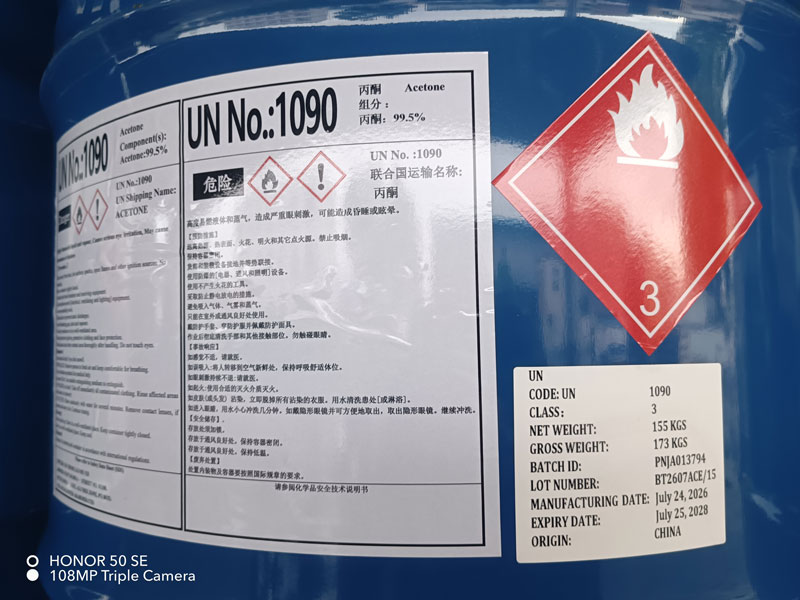
II. Three Major Drivers Behind the Break Above 9,000
This rally was not caused by a single factor but by the combined force of costs, supply, and sentiment.
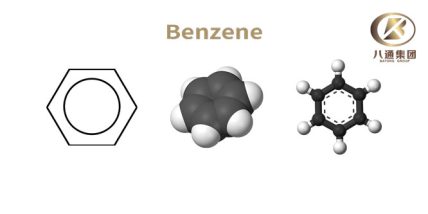
First, the cost side was fully ignited. Escalating Middle East tensions sent international crude oil prices sharply higher, briefly surpassing $100/bbl. The strong crude market directly drove wide gains in phenol-ketone's two major feedstocks — benzene and propylene — giving acetone very strong cost support. Without this pull from crude and feedstocks, acetone would have struggled to stage such a sharp move in such a short time.
Second, imported supply was expected to tighten. Based on import data from January to July, China's cumulative acetone imports were about 226,000 tons, down 36.89% year-on-year. About 31% of China's imported acetone comes from Saudi Arabia, and tensions in the Middle East have led market participants to worry that future imports will become even tighter. Port inventories at the start of the week stood at only 9,000 tons, a low level. With spot circulation in East China already tight, holders showed a strong reluctance to sell, pushing offers higher continuously.
Third, market sentiment added fuel to the fire. The "buy on rising prices, not on falling ones" mentality is ever-present in the chemical market. Some end-user factories entered the market to tender for replenishment, and some traders also restocked. Overall trading activity was brisk, and negotiation centers moved up sharply. Once sentiment is ignited, price elasticity expands noticeably.
III. Hidden Concerns Behind the Sharp Rally
The hotter the market, the more important it is to look calmly at the risks. Several points deserve attention.
Supply is expected to increase. Phenol-ketone units at Huizhou Zhongxin, Shandong Fuyu, and Wanhua Chemical are expected to restart in September. Shenghong Refining's cargoes are also being gradually released to the market, and Zhejiang Petrochemical's vessel cargoes are arriving to replenish supply. Domestic supply is expected to grow. According to statistics, China's acetone supply in September is forecast at 296,200 tons, with capacity utilization expected to rise to 80.18%. The gradual recovery of supply may put some pressure on further price increases.
Downstream acceptance of high prices is limited. As acetone prices climbed sharply, downstream industries began to shy away from high-priced feedstock, and purchasing pace showed signs of slowing. After all, when raw material prices rise too fast, downstream cost pressure quickly intensifies, and buying interest naturally weakens.
Downstream profitability is also not optimistic. Among the four major downstream sectors, only MMA is currently profitable, while bisphenol A, isopropanol, and MIBK are all struggling with losses. Under these circumstances, whether acetone can hold at RMB 9,000/ton ultimately depends on actual downstream acceptance. If downstream losses persist, the pass-through of high feedstock costs will be blocked.

IV. Outlook: Tight-Then-Loose Pattern Unchanged, Watch for Pullback Risk After Sharp Rally
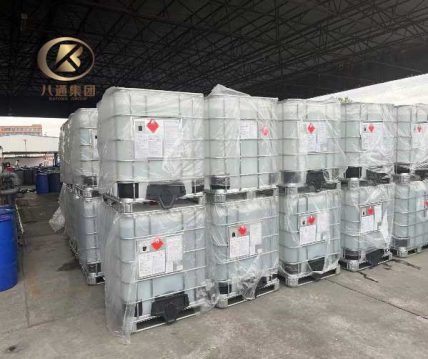
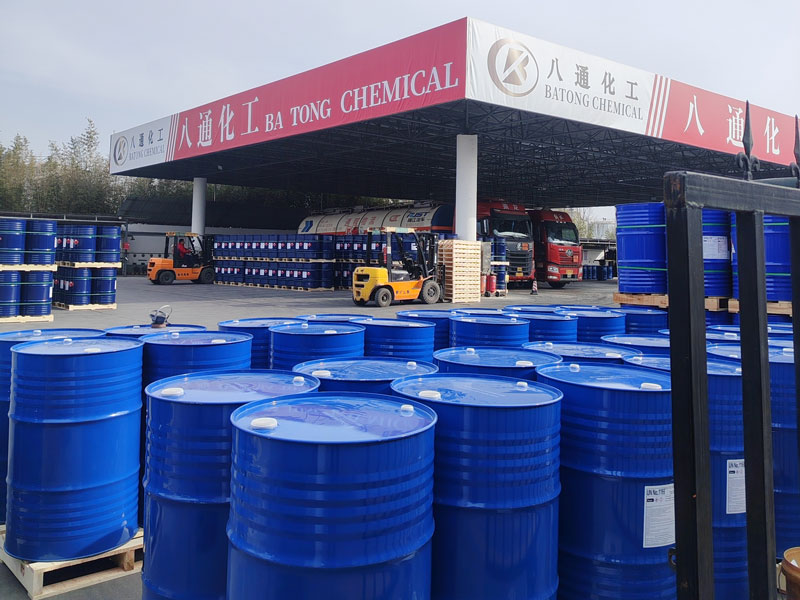
From a fundamental perspective, domestic supply has growth expectations, which is an important factor capping further sharp upside. On the cost side, the Middle East situation remains volatile, and the cost side could still bring periodic boosts. However, whether the acetone drums market can hold at high levels ultimately depends on downstream capacity to digest high-priced feedstock.
The acetone market is currently in a tug-of-war between cost support and demand absorption, and this struggle is likely to deepen wait-and-see sentiment. The market broadly worries that after such a sharp rally, a pullback risk may follow. Overall, the "tight first, loose later" pattern has not changed for now. In terms of operations, it is advisable to closely monitor crude and feedstock trends, unit restart progress, and changes in downstream purchasing pace.