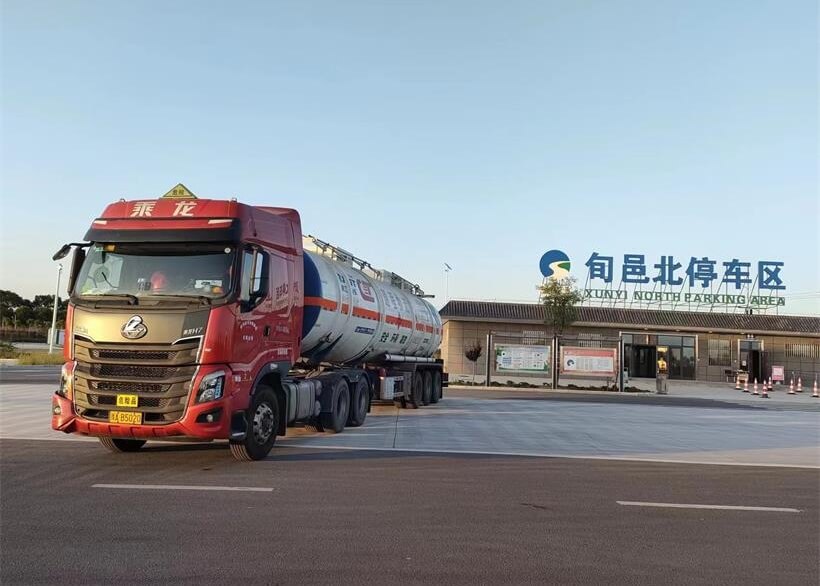

During this period (this week), the isopropyl alcohol (IPA, CAS: 67-63-0) market in East China experienced a notable upward movement, with prices fluctuating in the range of RMB 8,500-9,000/ton. Early in the week, driven by rising acetone prices, production costs for IPA manufacturers increased, prompting them to raise offers modestly, which provided market support. Meanwhile, traders showed reluctance to sell, with some holding back inventory, pushing market quotations higher rapidly. In Jiangsu, negotiated prices reached around RMB 9,000/ton, hitting a new high for the year.
However, as prices climbed, downstream users became less receptive to high-priced materials, turning cautious in procurement. Overall trading activity was moderate. Some major producers faced poor sales and slightly lowered their offers, dampening market sentiment. Some intermediate traders increased their willingness to sell, leading to looser negotiation focuses. Actual transactions were mainly need-based, with overall trading relatively quiet.

It is expected that the IPA market will continue to operate in a range-bound consolidation in the coming period. Key points to watch:
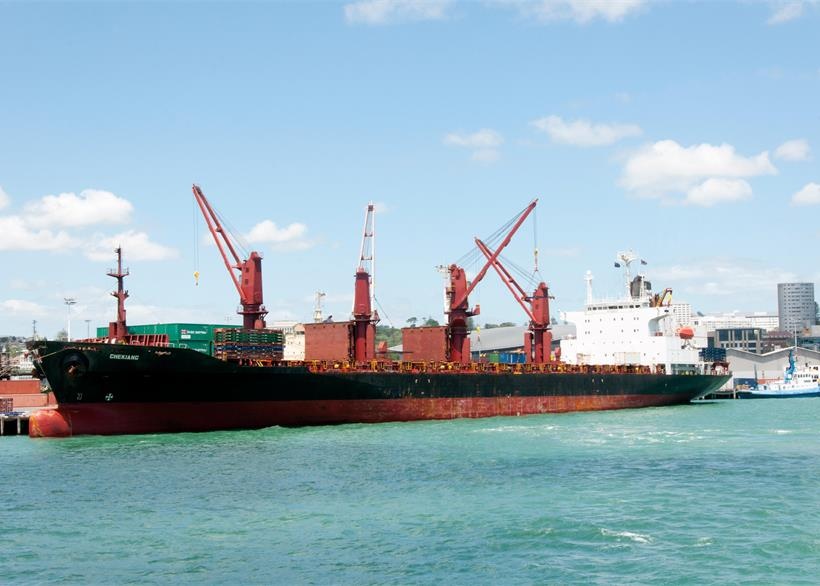
- Supply Side: Production units are running steadily with no major maintenance news. Additionally, domestic vessel cargoes are expected to arrive at ports soon, which will likely loosen spot supply and cap any upward price movement.
- Demand Side: IPA Downstream factories will mainly purchase on a need-to basis, with limited active trading. However, export inquiries are decent, and some producers are executing previous export orders, which helps ease their sales pressure.
- Cost Side: Feedstock acetone prices remain high, providing cost support for producers and limiting significant downside.
Overall, without effective demand-side catalysts, the trading atmosphere is unlikely to improve significantly in the short term. IPA prices are expected to fluctuate within a range. Close attention should be paid to feedstock price trends and downstream demand follow-up.