
Within the broad family of synthetic rubbers, styrene-butadiene rubber (SBR) stands out as one of the most important varieties. However, users often face confusion during the selection process: although Styrene-Butadiene-Styrene (SBS) and liquid styrene-butadiene rubber (L-SBR) both bear the name "styrene-butadiene rubber," they differ vastly in terms of physical form, properties, and applications. This article provides a detailed breakdown of the characteristics and differences between these two materials from multiple perspectives.
1. What is Liquid Styrene Butadiene Rubber (L-SBR)?
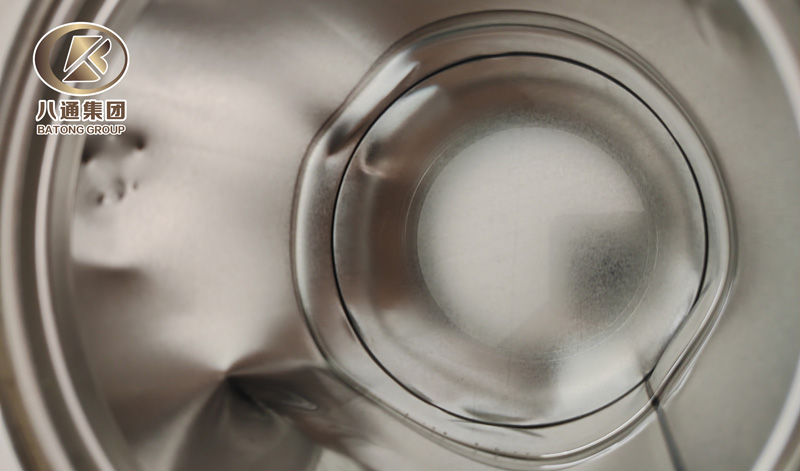
Liquid Styrene Butadiene Rubber, abbreviated as L-SBR, is a copolymer of styrene and butadiene, but with a much lower molecular weight, appearing as a low-molecular-weight, high-viscosity liquid at room temperature. In short, SBS is solid particles, while L-SBR is a viscous liquid.
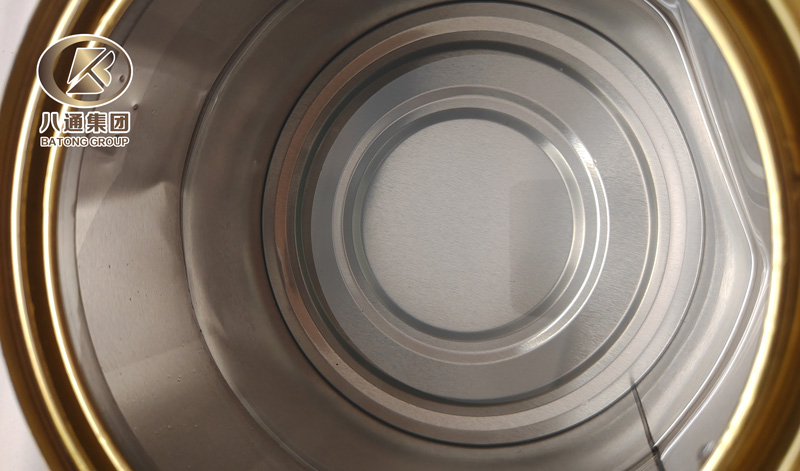
L-SBR is primarily used as a plasticizer, binder, and performance modifier to improve the flexibility, low-temperature performance, and abrasion resistance of other materials.
2. What is Thermoplastic Styrene Butadiene Rubber (SBS)?
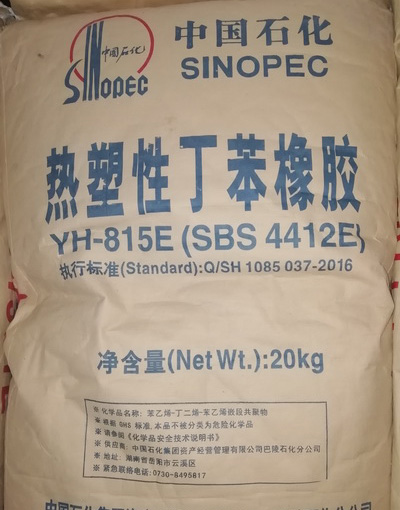
Thermoplastic Styrene Butadiene Rubber(Styrene-Butadiene-Styrene Block Copolymer), abbreviated as SBS, is a styrene-butadiene-styrene triblock copolymer formed by anionic polymerization of styrene (S) and butadiene (B) monomers. Known as the "third-generation synthetic rubber," it is the largest-volume and most widely used variety among styrenic block copolymers (SBCs).
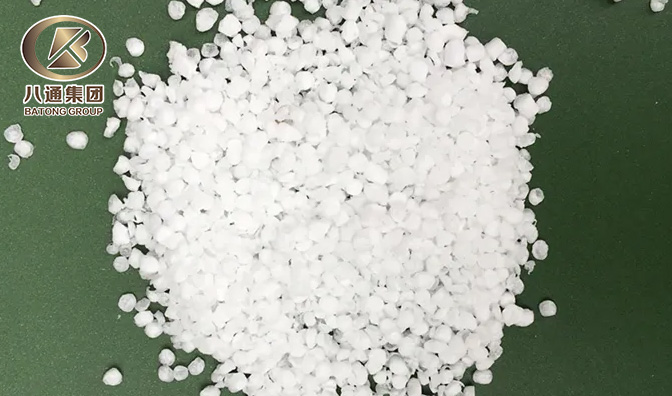
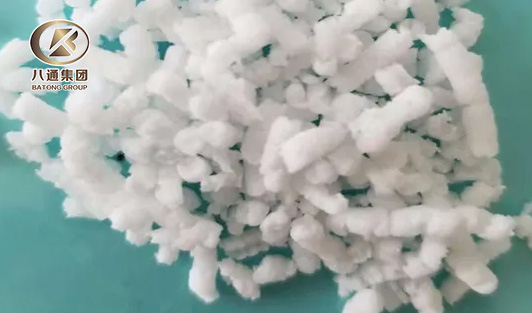
SBS appears as white or light-colored solid particles. At room temperature, it exhibits rubber-like elasticity; at high temperatures, it can be melted and shaped. Its unique feature is combining the thermoplastic processability of plastics with the high elasticity of rubber—it can be processed like plastic using extrusion, injection molding, etc., without vulcanization, and scrap materials can be recycled multiple times.
3. Core Differences: A Comprehensive Comparison
3.1 Definition & Morphology
| Aspect | SBS | L-SBR |
|---|---|---|
| Definition | Styrene-butadiene-styrene triblock copolymer | Low molecular weight styrene-butadiene copolymer |
| Morphology | White or light-colored solid particles | Viscous liquid |
| Category | Thermoplastic Elastomer (TPE) | Liquid Rubber |
3.2 Molecular Weight & Structure
SBS has a molecular weight ranging from 80,000 to 300,000, available in linear and star-shaped structures. Its molecular chain consists of alternating polystyrene hard segments and polybutadiene soft segments, forming a unique two-phase separation system.
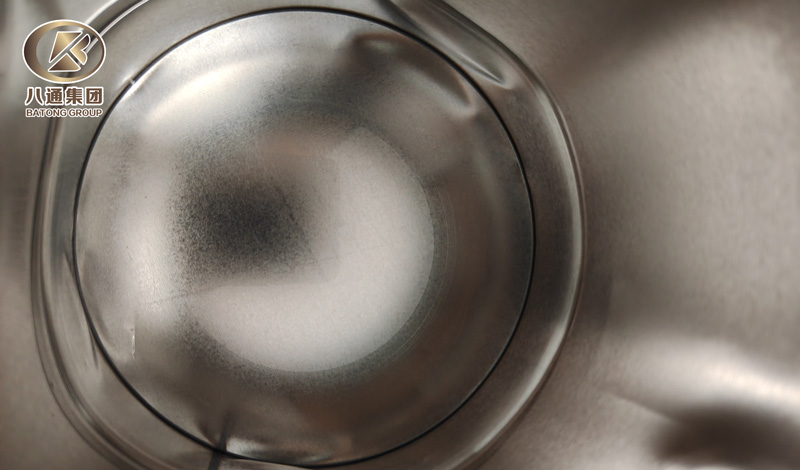
L-SBR has a much lower molecular weight than SBS, falling into the oligomer category. This lower molecular weight gives it a liquid state at room temperature, as well as better fluidity and wettability.
3.3 Preparation Process
SBS Production: Uses anionic solution polymerization with alkyl lithium (e.g., n-butyllithium) as the initiator. Linear SBS uses a three-step addition method; star-shaped SBS uses a two-step addition plus coupling reaction.
L-SBR Production: Can be produced via low-temperature emulsion polymerization or anionic polymerization. Functional liquid SBR technologies (e.g., hydroxyl-terminated, amine-terminated) are also under continuous development.
3.4 Core Properties Comparison
| Performance Dimension | Styrene-Butadiene-Styrene Block Copolymer (SBS) | Liquid Styrene-Butadiene Rubber (LSBR) |
|---|---|---|
| Mechanical Strength | High, with tensile strength of 15~35 MPa and elongation at break of 400%~800%; can be used as an independent structural material | Extremely low mechanical strength for standalone application; can only function when incorporated into matrix materials |
| Elasticity and Resilience | Excellent elasticity, high resilience rate and low permanent set, comparable to vulcanized rubber | No resilience performance; can only improve the low-temperature toughness and elongation of the matrix |
| Temperature Resistance Range | Service temperature: -90℃ to 90℃; softens and melts above 100℃, and recovers elasticity after cooling (reversible process) | Glass transition temperature: -65℃ to -30℃; viscosity decreases and fluidity improves at elevated temperatures, with no distinct softening point |
| Solubility | Soluble in hydrocarbon solvents such as toluene and cyclohexane to form rubber cement; insoluble in water and alcohols | Excellent compatibility with most organic solvents, mineral oils, rubbers and resins; miscible in any proportion |
| Crosslinking Characteristics | Physical crosslinking structure; melting upon heating is reversible, and no chemical vulcanization is required | Can undergo chemical crosslinking via molecular double bonds or terminal functional groups, and turns into an insoluble and infusible elastomer after curing |
3.5 Typical Applications
SBS Applications (Four Major Areas):
- Footwear Industry (~38-40%): Elastic shoe soles
- Asphalt Modification (~30%): Modified asphalt waterproofing membranes, high-grade roads
- Adhesives & Sealants: Contact adhesives, hot-melt adhesives, pressure-sensitive adhesives
- Plastic Modification: Improving low-temperature performance and impact strength of PP, PE, PS
L-SBR Applications:
- Adhesives & Sealants: Pressure-sensitive adhesives, industrial sealants, shoe adhesives
- Coatings: High-performance coatings providing adhesion and weather resistance
- Modified Asphalt: Improving flexibility and low-temperature performance
- Rubber Compounds: As plasticizer, binder, and performance modifier
- Electronic Materials: Copper clad laminate processing, improving flow
3.6 Processing Methods
SBS Processing: Can be processed using thermoplastic equipment via extrusion, injection molding, blow molding. No vulcanization required, saving equipment investment, reducing energy consumption, and shortening production cycles.
L-SBR Processing: As a liquid raw material, it is primarily mixed, pumped, and compounded with other materials. It is not directly shaped into final products but serves as a formulation component in adhesives, coatings, and rubber compounds.
4. How to Choose?
Choose SBS when:
Producing shoe soles, modified asphalt, adhesives, etc.
Leveraging thermoplastic processing advantages without vulcanization
Requiring high elasticity and high strength
Choose L-SBR when:
Improving the flexibility and low-temperature performance of adhesives, coatings, and sealants
Adding as a plasticizer or modifier to existing formulations
Requiring high fluidity and wettability
5. Summary
Although both Thermoplastic Styrene Butadiene Rubber (SBS) and Liquid Styrene Butadiene Rubber (L-SBR) are copolymers of styrene and butadiene, they differ fundamentally in morphology, molecular weight, properties, applications, and processing methods:
SBS is a solid — the "material itself" that can be directly made into products, offering high elasticity, high strength, and thermoplastic processing without vulcanization.
L-SBR is a liquid — a "material additive" used to improve the properties of other materials, offering easy mixing and wetting.