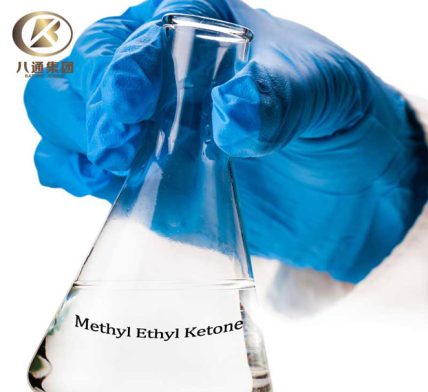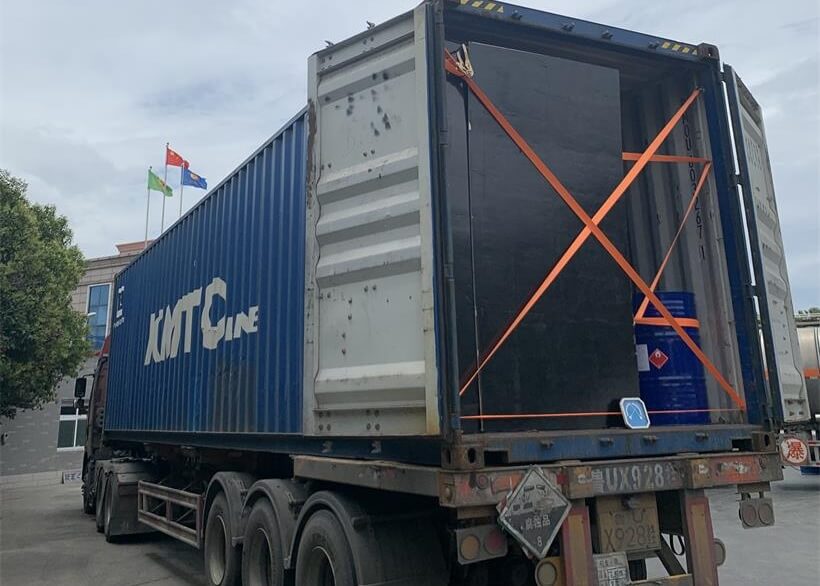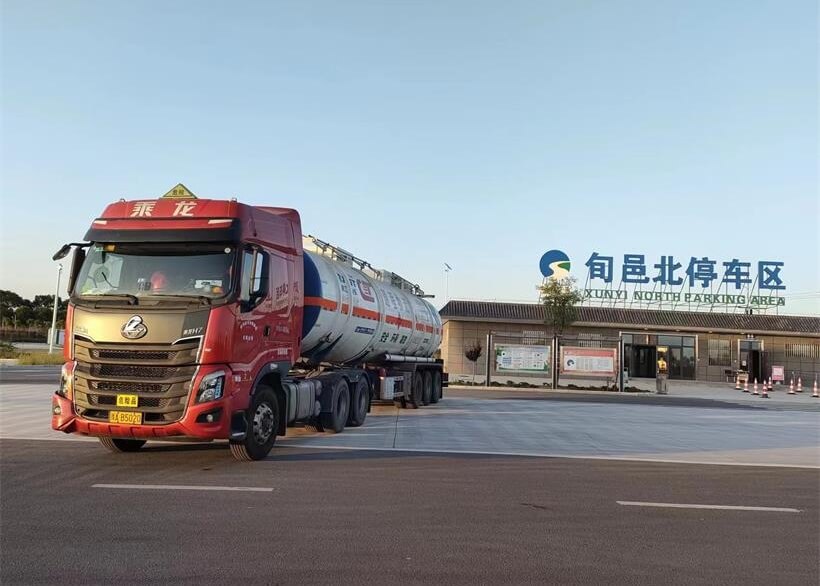

Methyl Ethyl Ketone (also known as 2-Butanone, MEK, CAS: 78-93-3) is a widely used medium-boiling ketone solvent in China’s industrial sector. Industrial-grade MEK, with strong solvency, moderate evaporation rate and good film-forming property, is a core component in coatings, inks and adhesive formulations. MEK for polyurethane slurry is widely used in PU synthetic leather production, while high-purity electronic grade MEK is applied in PCB cleaning and semiconductor manufacturing. Many foreign trade enterprises purchase export-grade barreled MEK for overseas markets, and its price fluctuation directly affects downstream factories’ raw material costs and production schedules.
In the first half of 2026, China’s MEK market experienced a rare roller-coaster trend with a full-year price fluctuation of over 7,500 yuan/ton. After bottoming out at the beginning of the year, prices hit a record high in Q1 driven by geopolitical conflicts, overseas plant shutdowns and surging export orders. Entering Q2, as geopolitical premiums faded, post-MTBE C4 support weakened and domestic demand resisted high prices, the supply-demand pattern reversed rapidly, market sentiment cooled, and prices entered a gradual decline. Overall, the strong export market was the core variable supporting the MEK market pattern in H1 2026.

1. H1 Price Trend Review: From Steep Rise to High-Level Retreat
Stage 1: Stagnant Consolidation (January – Early February)
Trading was light in the first month of the year. Producers shipped steadily mainly based on pre-existing long-term contracts, with no obvious increase in new orders. The market was in a transitional consolidation state overall. At the end of January, some plants in South China shut down for maintenance, reducing spot circulation. However, as the Spring Festival approached, downstream end factories gradually suspended production, and trading nearly stagnated. With long and short factors offsetting each other, the market maintained a narrow range-bound pattern without clear directional trend.
Stage 2: Sharp Rally (Late February – Early April)
After the Spring Festival holiday, market supply pressure did not release immediately, and producers took the opportunity to hold prices and probe for increases. However, downstream resumption was slow and trading remained light. The turning point came in late February: geopolitical risks in the Middle East escalated sharply, international oil prices surged, and raw material post-MTBE C4 prices rose simultaneously. Cost support for producers strengthened rapidly, and MEK negotiated prices in East China quickly rose to the 9,500 yuan/ton mark. Then crude oil retreated from highs, and post-MTBE C4 followed the decline, loosening cost support. Coupled with lackluster domestic demand, the market saw a rational correction.
In mid-March, the core market driver shifted from cost to supply. Affected by the Middle East conflict, some overseas MEK units operated at low loads due to raw material shortages, widening the global supply gap. Major domestic producers signed a large number of foreign trade orders, diverting massive spot goods overseas and completely reversing the domestic supply-demand pattern. Most holders were reluctant to sell at low prices, and market offers were scarce. Actual transactions mostly relied on buyers’ bids, forming a pattern of strong external demand and weak domestic demand.
By early April, strong export support kept East China spot prices high. Port inventories continued to deplete, with few domestic cargo replenishments, and intermediates were unwilling to sell at low prices. Meanwhile, downstream end factories remained resistant to high prices, only purchasing small quantities on rigid demand. Market activity stayed sluggish, and the market entered a high-level consolidation phase. Spot prices in East China once hit the annual high of 13,900 yuan/ton, up 120% from the beginning of the year.
Stage 3: Weak Decline (Mid-April – End of June)
In May, the decline accelerated. Major producers actively cut quotes to boost transactions, but downstream purchasing enthusiasm remained low, and the market fell on thin trading volume. In early June, as MEK prices gradually approached cost support levels, intermediates’ willingness to restock rebounded, and bottom-fishing sentiment emerged. The market successfully bottomed out and saw a slight rebound. However, after the phased downstream restocking ended, the market quickly returned to flatness. High-priced goods saw few transactions, and the rebound lacked sustained momentum. Regional declines gradually widened, and transaction volume failed to expand. By the end of June, the average price in East China had fallen back to around 7,266 yuan/ton.
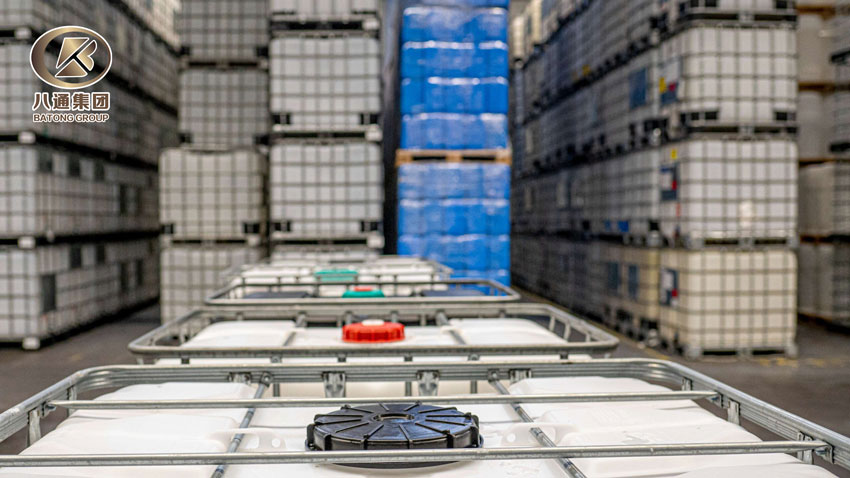
2. Supply Side: Overall Tight Balance, Exports Ease Domestic Pressure
In the first half of 2026, China’s MEK industry supply maintained an overall tight balance. According to industry statistics, cumulative MEK output from January to June reached 317,400 tons, a slight year-on-year decrease of 1.10%.
In terms of plant operation, phased maintenance and short shutdowns caused certain supply disturbances: Huizhou Yuxin’s unit entered maintenance at the end of January and resumed production in mid-February; Harbin Petrochemical’s unit underwent minor maintenance in March; Anhui Zhonghuifa’s unit was shut down for 3 days in April due to steam supply suspension from the power plant. Other major units operated generally stably. Coupled with significant export growth, the industry did not see obvious inventory pressure on the supply side.
3. Industry Profit: Significant Profit Recovery, Cost Scissors Effect
In the first half of 2026, the average theoretical profit of the MEK industry was 1,801 yuan/ton, up 770% year-on-year. The significant profit improvement mainly benefited from the two-way effect of continuous raw material price concessions and the sharp rise in MEK prices, which significantly widened the industry’s profit margin.
On the raw material side, Shandong post-MTBE C4 market showed a trend of surging then retreating with sharp volatility in H1. The average price in the first half was 5,306 yuan/ton, only a slight year-on-year increase of 2.47%. Specifically, the market consolidated narrowly from January to February without clear guidance. Starting from March, the geopolitical situation dominated the market, and prices quickly surged to a high of 7,350 yuan/ton driven by news. Then, due to loosening macro support and weak terminal gasoline demand, the market center continued to fall and entered a long period of weak consolidation.
Benefiting from wide cost fluctuations and strong export order support, MEK prices remained high for a long time from March to May, effectively offsetting the pressure of phased raw material increases and becoming the core driving force for the overall industry profit level in the first half of the year.
4. H2 Market Outlook: Narrow Fluctuation Under Weak Balance
Driven by geopolitical conflicts and export surges, China’s MEK market saw extreme trends in H1 2026. The high industry profit in the first half was mainly due to external demand overdraft rather than domestic demand recovery. Looking ahead to the second half, as export premiums gradually fade, overseas plants resume production, and some new domestic capacity is released in Q4, domestic market supply pressure will gradually emerge, and the price center will fluctuate around the cost line.
In the short term, repeated geopolitical conflicts’ marginal disturbance to export orders, as well as the actual effect of domestic macro consumption policies on boosting terminal demand, will be key variables affecting market rhythm. If domestic demand fails to pick up effectively and new capacity is launched as scheduled, intensified supply-demand contradictions at the end of the year will trigger further inventory reduction and price reduction pressure. The MEK industry as a whole will step into a new normal of low profit, weak balance and high competition.